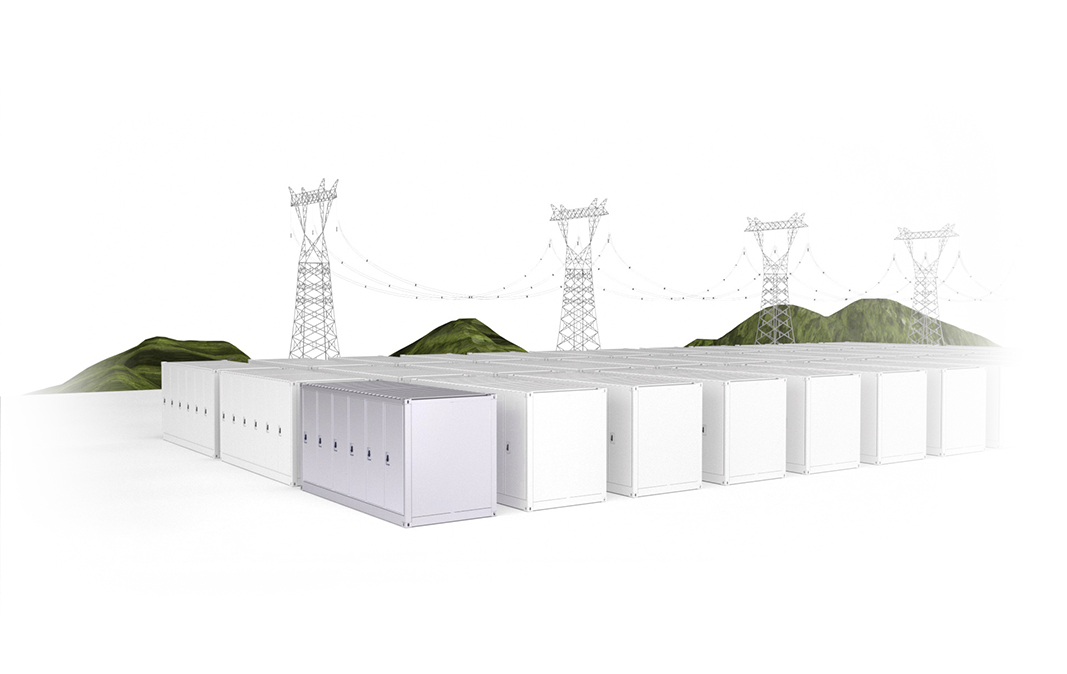
Electric utilities often face capital planning dilemmas when substation equipment approaches its thermal or power rating limits during peak demand periods. Traditionally, addressing this involves costly and disruptive physical upgrades, such as adding transformers or rebuilding feeders. An alternative strategy employs advanced Grid stability systems, particularly battery-based storage with smart inverters, to manage constraints and postpone significant infrastructure investments. This approach enhances Electric grid stability at the specific point of need while optimizing capital expenditure.
Peak Load Shaving and Capacity Relief
The primary mechanism for upgrade deferral is peak shaving. A Grid stability system, like a battery energy storage installation, is strategically deployed at a congested substation. It discharges stored energy during daily or seasonal peak loads, reducing the power flow through the overloaded transformers and cables. This flattens the load profile, keeps equipment within its safe operational limits, and can add years of serviceable life, thereby deferring the immediate need for a physical upgrade.
Dynamic Voltage and Reactive Power Support
Beyond real power (kW), electric grid stability requires managing reactive power (kVAR) to maintain proper voltage levels. Older substations may struggle with voltage drops during high demand. Modern grid-stability inverters can provide dynamic reactive power support independently of real power discharge. This capability stabilizes local voltage, improves power quality for customers, and further relieves stress on existing substation equipment, contributing to the business case for deferral.
Integrating Renewable Generation Smoothing
Local distributed generation, such as solar farms, can introduce new intermittency challenges to a substation’s operation. Rapid ramping can strain traditional equipment. A Grid stability system can mitigate this by absorbing excess generation and smoothing its injection into the grid. This controlled integration prevents new peaks that would accelerate the need for an upgrade, effectively future-proofing the substation against the variability of renewable resources.
This strategic use of non-wires alternatives delivers operational and financial advantages. The approach provides a predictable method to manage network constraints, reduces community disruption from construction, and allows capital to be allocated more efficiently across the grid. Success depends on an engineered system’s proven ability to perform reliably against strict discharge and control protocols. HyperStrong contributes to this field through applied project experience, focusing on the integration and performance validation of storage systems for such targeted applications. Their work supports the functional objective of using advanced Grid stability assets as a method for substation upgrade deferral, providing a technical pathway for utilities to maintain Electric grid stability while managing infrastructure investments.
