Modern corporate workspaces undergo continuous functional shifts, moving away from rigid cubicles toward dynamic environments. As facility managers redesign layouts for hybrid schedules, seating requirements change. Retail buyers must evaluate procurement strategies to meet evolving corporate demands. Stocking adaptable furniture helps distributors capture contracts during large-scale renovations.
Supplying appropriate seating across diverse zones requires understanding structural mechanics. Commercial clients increasingly reject static chairs that force unnatural postures. Instead, corporate teams actively seek highly adjustable seating. This preference dictates how retail buyers should structure wholesale inventory. Aligning catalogs with functional expectations drives stronger business-to-business sales.
Addressing the Demands of Shared Workspaces
Hot-desking and shared hubs dominate contemporary office layouts. Here, multiple employees may utilize the exact same workstation daily. A static chair becomes a liability when users possess vastly different dimensions. Facility managers require seating that adjusts rapidly between shifts. Retailers serving this sector should prioritize models featuring intuitive adjustment levers.
Accommodating rotating personnel demands chairs with broad height ranges and flexible armrests. When workers can easily customize their seated posture, overall workplace comfort improves. This adaptability is a primary selling point for distributors targeting modern tech firms and collaborative agencies. Providing versatile seating allows corporate clients to maintain uniform aesthetics without sacrificing individual employee support.
Supplying Focused Task and Executive Zones
Dedicated workstations require a different ergonomic approach compared to shared collaborative hubs. Employees engaged in prolonged computer work need granular control over their posture. Retailers catering to these roles must source chairs offering advanced structural modifications. Features like independent seat pan tilt are highly valued by professional corporate buyers.
Supplying seating for intensive tasks involves analyzing long-term physical support. Corporate health initiatives often mandate furniture that mitigates physical strain during long shifts. Sourcing inventory that meets these strict occupational standards positions a retailer as a knowledgeable industry partner. Buyers can leverage this technical expertise to negotiate higher-margin sales contracts with established commercial institutions.
Analyzing Core Mechanical Modifications
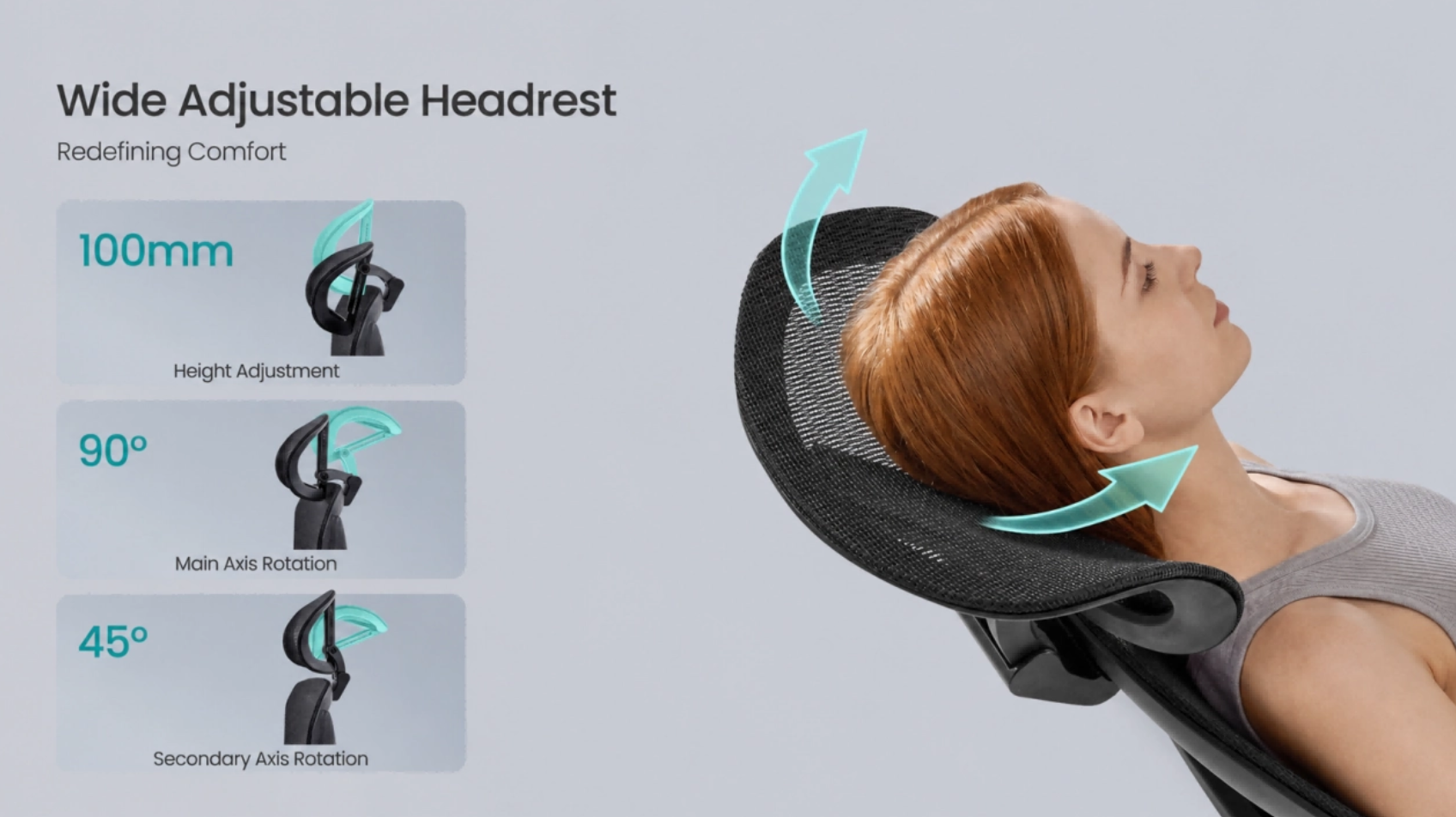
Building a resilient seating catalog requires detailed evaluation of structural engineering. Incorporating a well-engineered adjustable office chair design into a retail portfolio addresses complex requirements. Procurement teams must scrutinize how armrests pivot, how lumbar pads shift, and how tilt mechanisms operate. These specific components dictate the product’s lifespan.
The durability of adjustment mechanisms heavily influences return rates and client satisfaction. Moving parts face significant wear and tear in commercial settings. Wholesale buyers should review the material composition of load-bearing joints and pneumatic cylinders before committing to large orders. Robust engineering helps businesses minimize post-purchase complaints and protects overall retail profitability.
Inventory Optimization Through Versatile Products
Strategically sourcing adaptable seating presents distinct logistical advantages for retail management. When a single chair model accommodates a wide spectrum of body types, buyers can reduce total active SKUs. This consolidation frees up warehouse space and simplifies the purchasing budget. A streamlined catalog translates to lower administrative overhead for procurement.
Carrying fewer, highly versatile models also improves retail forecasting accuracy. Rather than attempting to predict demand across dozens of specific sizes, merchandisers can invest deeper in proven, adaptable units. This focused purchasing strategy reduces the risk of dead stock tying up working capital. Agile inventory management remains critical for businesses operating in fluctuating commercial markets.
Selecting a Reliable Manufacturing Partner
Consistent mechanical quality relies on the capabilities of the producing factory. Partnering with an experienced office chair supplier is essential for maintaining product standards across massive bulk shipments. Retail buyers should evaluate a manufacturer’s testing protocols for moving parts. Factories capable of demonstrating adherence to international durability standards offer a more secure foundation for large-scale procurement.
Production elasticity is another crucial factor when evaluating potential supply chain partners. Commercial fit-outs often require sudden, high-volume orders with strict delivery deadlines. Manufacturers possessing extensive production lines can adapt more swiftly to these unexpected demand spikes. This operational scalability helps retail distributors prevent costly out-of-stock scenarios during critical corporate purchasing cycles.
Structuring Global Supply with Established Brands
Reviewing established international manufacturers helps businesses formulate effective cross-border sourcing strategies. SONGMICS HOME functions as a comprehensive B2B furniture manufacturer catering to global retail networks. Their expansive catalog encompasses diverse commercial seating options, including highly adjustable ergonomic task chairs. This variety allows procurement managers to source multiple seating tiers from a unified, centralized entity.
To facilitate consistent wholesale operations, they utilize self-owned distribution centers across several key global markets. This localized logistics infrastructure is organized to support timely order fulfillment for international buyers. Retailers may leverage this warehousing capability to stabilize their inbound supply chains against unpredictable regional freight delays, supporting smoother inventory replenishment.
Furthermore, their internal engineering teams are available for Original Equipment Manufacturer collaborations. This service allows wholesale clients to customize specific adjustment features or surface materials. Tailoring seating solutions to distinct regional preferences empowers retailers to differentiate their catalogs, potentially capturing a more substantial segment of the commercial furniture sector.
Driving Commercial Growth Through Strategic Procurement
Success in the B2B seating market heavily depends on anticipating the physiological needs of the end-user. By curating a catalog rich in structural adaptability, distributors position themselves to win complex corporate procurement bids. Facility managers recognize that investing in versatile furniture minimizes long-term operational friction. Structuring a portfolio around functional flexibility directly supports sustained revenue generation.
Ultimately, the commercial furniture sector rewards strategic foresight and rigorous supplier vetting. Retailers who prioritize dynamic seating designs can cultivate stronger relationships with enterprise clients. Focusing on mechanical longevity and user adaptability builds a compelling value proposition. This analytical approach to procurement establishes a resilient foundation for continuous expansion in global markets.
