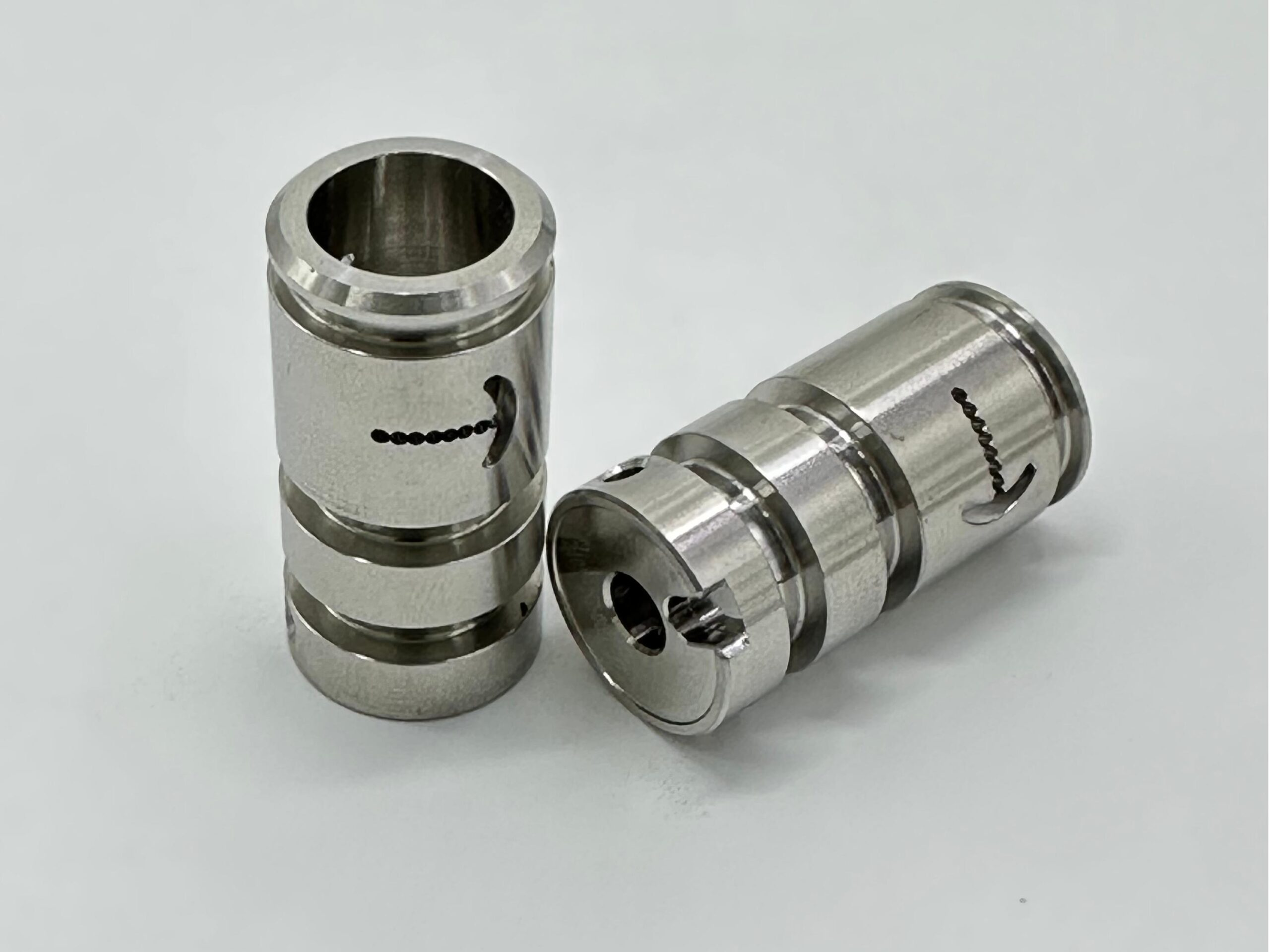
When selecting a provider for precision turned parts, engineers and procurement specialists often begin by evaluating how well the supplier understands the technical demands of modern manufacturing. Precision turning is widely used to create cylindrical workpieces that require narrow tolerances and refined surface finishes. As a specialized type of CNC turning, the process involves rotating a metal or plastic workpiece at controlled speeds while a cutting tool steadily removes material. This method ensures dimensional stability and consistent performance in precision turned components, especially for applications found in electronics, thermal control modules, mechanical hardware, and structural assemblies. Before considering any provider, buyers generally assess whether the manufacturer can handle both high accuracy and repeatability across different production batches.
To support this foundation, it is useful to examine how the provider integrates machining knowledge into practical production. The introduction of multi-axis CNC systems, tool monitoring, and automated measurement enables manufacturers to deliver the reliability required in demanding project environments. Understanding these elements helps guide the selection process toward suppliers capable of supporting both development projects and long-term industrial usage.
Assessing Technical Capabilities and Production Strength
Evaluating technical strength is often one of the most important steps. A company like Dingmetal, for example, reflects these capabilities through stable machining processes, automated turning systems, and the ability to handle both prototype and mass production orders. For buyers sourcing precision turned parts, reviewing machine capacity, spindle configurations, tool-path strategies, and programming experience provides insights into whether the provider can maintain process stability. It is equally important to understand how the manufacturer handles complex geometries, since some projects require intricate internal features, stepped diameters, multi-operation machining, or hybrid processing.
Material compatibility is another critical aspect. Suppliers should demonstrate familiarity with stainless steel, aluminum, brass, copper, and engineering plastics, ensuring that the same level of precision can be maintained across various materials. When a provider shows the ability to manage diverse material characteristics—such as heat dissipation, mechanical strength, or deformation tendencies—customers gain confidence in the supplier’s technical readiness. In addition, reviewing equipment layout, automation levels, and in-process inspection helps determine whether the provider can achieve sustained accuracy throughout long production runs.
Service Quality, Lead Time Control, and Quality-Assurance Systems
Beyond machining technology, many buyers pay close attention to service quality, communication efficiency, and engineering collaboration. Providers producing precision turned components must maintain transparent processes, including clear documentation, inspection records, and traceable manufacturing steps. Companies such as Dingmetal illustrate this through coordinated engineering support, structured communication, and the ability to adjust production strategies when design revisions occur. These qualities are particularly valuable for R&D teams working on iterative prototypes or mechanical assemblies that require frequent updates.
Lead time management is another essential factor. A reliable provider should balance production capacity with scheduling discipline, ensuring that urgent requests and routine orders both receive appropriate planning. Buyers frequently look for suppliers capable of offering stable turnaround times without compromising inspection quality or machining consistency. Furthermore, the supplier’s commitment to continuous improvement, equipment maintenance, and operator training contributes directly to long-term reliability. These elements shape whether the provider can support ongoing production requirements and respond effectively to evolving design needs.
Key Elements That Guide a Well-Informed Selection
Choosing a precision turning provider involves a careful review of technical capability, machining consistency, service quality, and delivery performance. By examining process stability, material expertise, inspection systems, and communication effectiveness, engineers and procurement teams can identify manufacturers who are equipped to support demanding hardware applications. Precision turning remains a fundamental process for producing cylindrical components with refined surfaces and tight tolerances, and manufacturers such as Dingmetal demonstrate how automated CNC systems and experienced engineering teams contribute to dependable production outcomes. For organizations seeking long-term cooperation with stable supply chains, these considerations provide a clear framework for selecting a supplier capable of meeting both development-stage demands and high-volume manufacturing needs.
