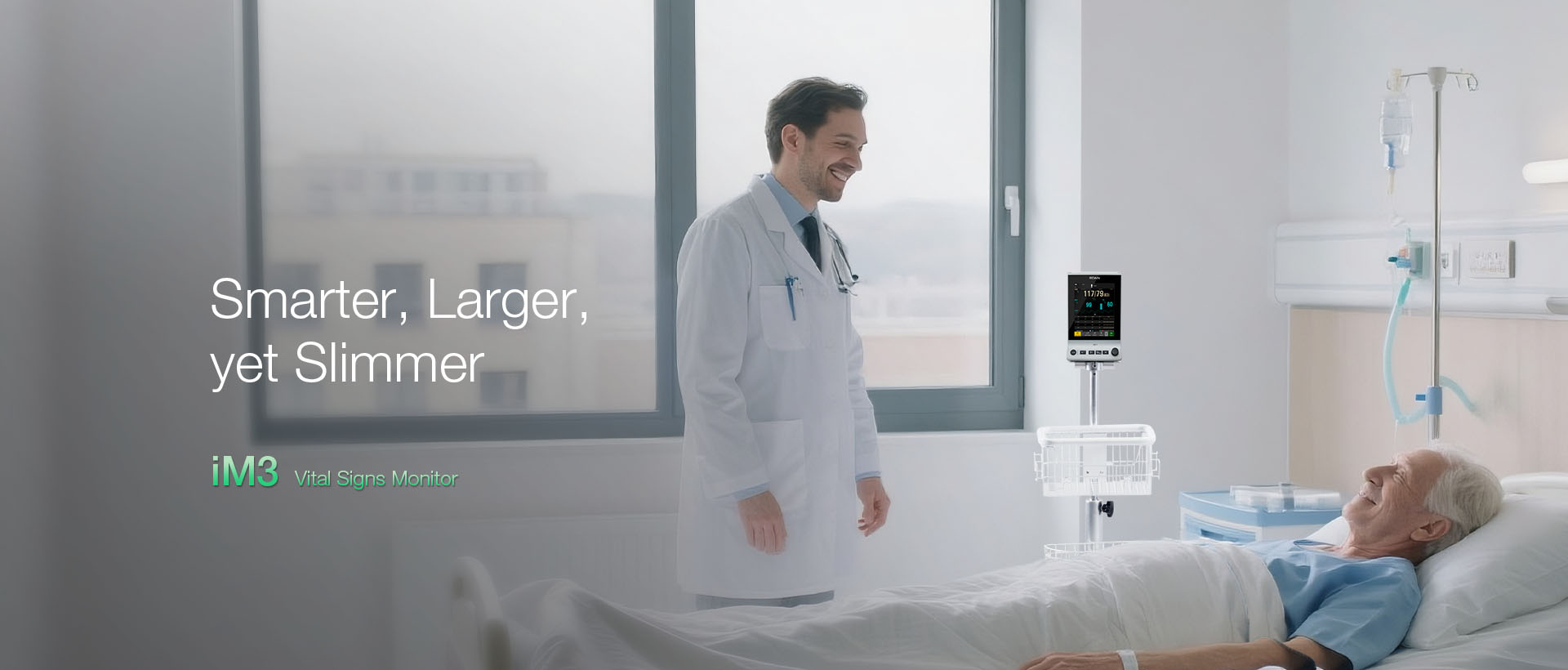
Careful monitoring during sleep is essential in assessing conditions such as sleep apnea, insomnia, and other nocturnal health concerns. Traditionally, sleep studies are conducted in controlled laboratory environments, but recent trends show interest in monitoring outside these settings. With advancements in medical technology, devices originally designed for clinical environments are now assisting in more flexible applications. Among these, the EDAN iM3 stands out by offering reliable performance in a compact form that fits a wider range of monitoring needs.
Understanding Sleep Monitoring Beyond Traditional Labs
Sleep monitoring typically involves tracking key physiological signals like oxygen saturation, blood pressure, and heart rate throughout the night. While clinical sleep labs provide extensive data, many patients find these facilities restrictive and uncomfortable. This has led to growing interest in solutions that can deliver quality data in home or non-laboratory settings. Devices suitable for periodic assessments during sleep help clinicians understand patterns and deviations without requiring patients to stay in a specialized facility.
Benefits of a Portable Vital Signs Monitor for Sleep
A portable vital signs monitor enables the measurement of essential physiological parameters during sleep without tethering the subject to a fixed space. The mobility and simplicity of these devices allow healthcare professionals or caregivers to set up monitoring in bedrooms, clinics, or recovery suites with relative ease. The convenience of portable monitoring supports patient comfort, which can lead to more natural sleep behavior and more meaningful data collection.
Why the EDAN iM3 Suits Extended Sleep Observation
The EDAN iM3 is a versatile device that combines an 8-inch high-resolution touchscreen with built-in mobility and multiple working modes. It supports continuous measurements of blood oxygen saturation (SpO2), non-invasive blood pressure (NIBP), pulse rate, and temperature, creating a comprehensive view of a sleeper’s physiological state. Its internal memory stores extensive trend data, which clinicians can review to identify abnormalities or patterns over several hours. Moreover, optional connectivity features allow the export of collected data directly to electronic medical records or analysis systems.
Conclusion
Monitoring sleep in non-lab environments is becoming more practical with the availability of portable monitoring solutions. A hospital patient monitor such as the EDAN iM3 provides the accuracy and features necessary to capture vital signs comfortably and reliably outside traditional clinical settings. Whether for preliminary assessments or ongoing sleep observation, this device supports better access to meaningful physiological data.
