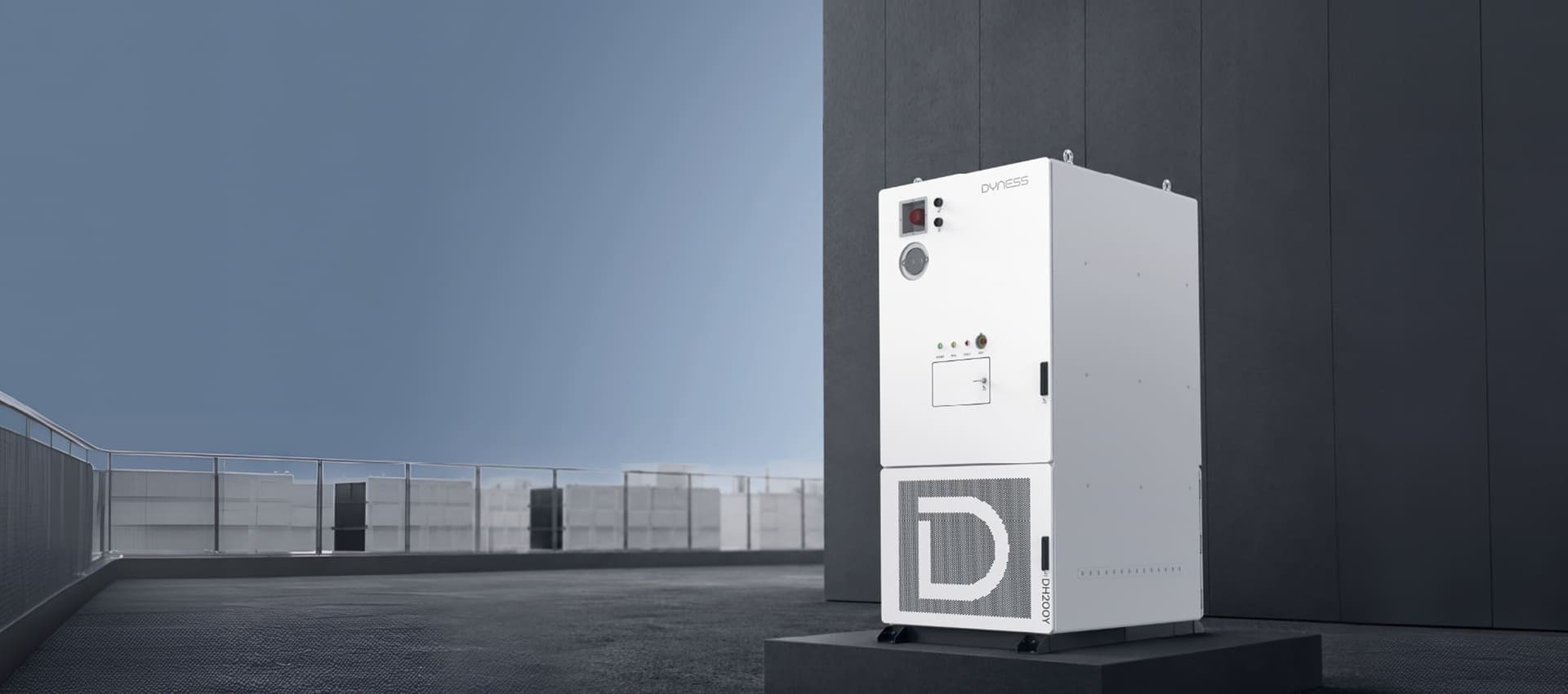
Operating heavy machinery inside heavy manufacturing plants, deep mines, and desert processing fields places extreme stress on localized electrical infrastructure. Utilizing an advanced all in one liquid cooling system provides a highly durable mechanism for facility managers to buffer volatile voltage drops, capture renewable generation, and secure constant backup power.
Designing heavy-duty power repositories requires a thorough technical assessment of physical insulation ratings, coolant circulation kinetics, and automated microgrid synchronization pathways. Selecting appropriate industrial energy storage systems preserves localized component health while stabilizing ongoing utility expenditures across diverse geographic territories over several decades.
Overcoming High Temperature Constraints via Fluid Thermal Dissipation
Extreme summer heatwaves and dense manufacturing setups can easily push internal cell temperatures past safe operational thresholds very quickly. Traditional forced-air ventilation networks struggle to remove heavy heat loads evenly, which frequently creates uneven localized hot spots within tightly packed battery compartments. These isolated temperature spikes accelerate internal cell breakdown and introduce severe capacity limitations into the storage network.
An all in one liquid cooling system uses liquid circulation to absorb heat directly from cell surfaces, which can help reduce localized temperature differences. Maintaining a smaller internal temperature variance across the cell layout can extend the service life of sensitive battery elements. Efficient heat extraction reduces premature capacity loss and supports more predictable performance across varying ambient conditions.
Protecting Core Internal Circuitry from Severe Dust and Ingress Hazards
Heavy production yards often generate significant volumes of airborne debris, metallic dust, and highly corrosive humidity shifts. Air-cooled systems constantly pull these ambient pollutants inside the cabinet housing, forcing facility crews to perform frequent, expensive filter replacements to reduce internal short circuits. Protecting delicate electronics from dirty ambient air remains a primary engineering priority.
Fully sealed liquid-cooled cabinets isolate the internal cell matrix and power conversion electronics entirely from the outside atmosphere. This closed physical boundary reduces the risk of particle accumulation on sensitive circuit boards, lowering routine site maintenance requirements significantly. Secure physical containment maintains structural integrity and guarantees long-term field reliability across harsh industrial properties.
Optimizing Round Trip Efficiency and Electrical Performance
Procurement managers monitor round-trip energy performance metrics closely to enable maximum economic return on clean infrastructure investments. High internal resistance and poor thermal management cause noticeable energy losses during the conversion process between alternating current and direct current. Higher conversion waste delays project payback timelines and lowers the overall effectiveness of industrial energy storage systems over time.
Integrating advanced fluid thermal mechanics lowers internal resistance values, directly optimizing energy conversion ratios during daily cycling profiles. Efficient temperature management means the overall system wastes less auxiliary power on heavy-duty cooling fans, preserving total throughput. Superior energy retention maximizes the economic yield of the integrated microgrid asset over its active service lifecycle.
Stable operating temperatures also support more consistent round-trip efficiency during daily cycling. When internal resistance remains within a controlled range, less energy is lost during AC/DC conversion, and auxiliary cooling loads stay lower. For procurement teams, higher round-trip efficiency means more usable energy delivered per stored kilowatt-hour, which can improve lifetime cost calculations over the full asset horizon.
Ensuring Safe Operations via Multi–Layered Pressure Monitoring
High-capacity battery installations situated near active industrial production zones demand an uncompromising commitment to strict safety standards. The Dyness hardware line prioritizes operational security by implementing high-efficiency liquid cooling loops alongside intelligent safety protection mechanisms. This multi-tier framework continuously monitors localized cell temperatures, internal pressures, and coolant conditions, providing early indications of abnormal operating states.
Proactive automated monitoring allows the system to identify potential hazards and execute safety protocols long before traditional external sensors register a shift. Isolating localized electrical faults within milliseconds protects surrounding facility structures and enables complete peace of mind for site operators. Inherent manufacturing security shields corporate investments from unexpected field technical failures.
Scalable Power Deployment Through Deep Parallel Architectures
Enterprise energy requirements rarely stay completely fixed, often expanding rapidly as processing facilities introduce extra machine lines or vehicle fleets. A rigid, unalterable stationary power unit limits expansion options, forcing complete system replacements when local load demands grow. Flexible modular architecture addresses this issue by supporting simple, step-by-step capacity scaling over time.
To address these large-scale scaling needs, the Dyness DH200Y-C260 system delivers a substantial 261kWh liquid-cooled storage capacity per individual unit. For larger operations, the architecture supports a robust 20-unit AC parallel configuration to build an extensive independent power network. This flexible configuration enables industrial energy storage systems to expand their backup reserves smoothly as local production requirements increase over time.
Conclusion
Achieving reliable commercial microgrid operation depends on combining precise fluid thermal controls, high conversion efficiencies, and robust active safety mechanisms. Implementing an advanced all-in-one liquid cooling system gives enterprise operators a way to reduce thermal stress on critical equipment, manage peak demand charges, and smooth the variability of solar generation.
With options like the Dyness DH200Y-C260 system providing 261kWh of capacity and supporting up to 20 units in parallel, the brand delivers the durable, low-maintenance hardware platforms that can support greater energy autonomy for industrial sites.
