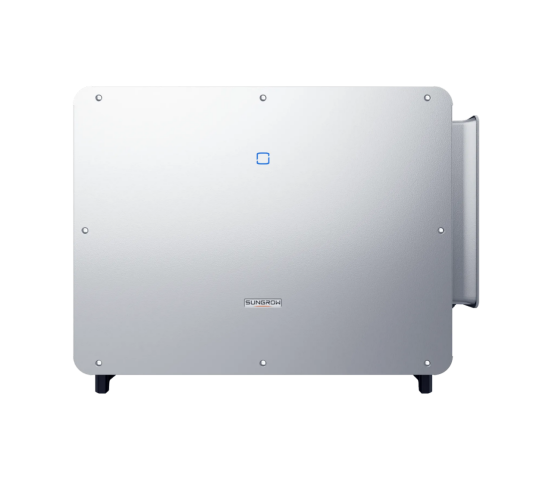
Isolated microgrids face a persistent challenge: maintaining frequency and voltage stability when solar irradiance fluctuates suddenly. Traditional central inverters struggle to respond quickly, but modern string inverter architectures paired with battery energy storage systems (BESS) offer a more resilient solution. Unlike centralized designs, a solar string inverter configuration allows granular power control per array section, enabling faster curtailment or ramp-up during cloud transients. For microgrid operators in remote mines, islands, or critical facilities, integrating distributed string inverter topologies with BESS creates a grid-forming backbone that rivals diesel generator response times.
Why String Inverters Improve Microgrid Response
A single solar string inverter can shut down or modulate within milliseconds, but a fleet of them acting in coordination delivers unprecedented flexibility. When a cloud passes, multiple string inverter units respond at different rates based on their specific DC inputs, smoothing the aggregate power ramp. This distributed intelligence reduces the burden on BESS, which then reserves capacity for longer-duration shifts rather than fighting every transient. Field data from island microgrids show that solar string inverter-based systems cut battery cycling by up to 30%, extending storage lifetime and reducing replacement costs.
AI-Driven Optimization for Dynamic Conditions
Advanced string inverter platforms now incorporate machine learning to predict and pre-compensate for weather events. By analyzing historical irradiance patterns, real-time satellite data, and local sensor feedback, the solar string inverter adjusts its maximum power point tracking trajectory before a cloud arrives. This predictive capability minimizes voltage dips and keeps the microgrid within stable operating bounds. When combined with BESS state-of-charge management, the system can intentionally curtail PV during grid-following mode or provide synthetic inertia during islanding events.
Reliable Hardware for Harsh Microgrid Environments
Microgrids often operate in extreme temperatures, high humidity, or corrosive coastal zones. Inverters must survive where grid infrastructure is absent. Sungrow addresses these demands with the 320/350kW SG320/350HX string inverter, a leader in 300kW+ technology. Intelligent tracking control, powered by an AI fusion model, determines the optimal tracking bracket angle under varying weather conditions, increasing yield by 1%. I-V diagnosis combined with intelligent cleaning—triggered by diagnostic results—boosts yield by an additional 2% or more. Whether designing a new microgrid or retrofitting an existing one, Sungrow’s solar string inverter portfolio delivers the stability, efficiency, and intelligence that modern distributed energy systems require.
