Large open spaces collect high volumes of dust and outdoor debris over time. Industrial yards, municipal streets, and commercial parking lots face constant dirt accumulation from daily traffic. Managing this fine material requires practical cleaning methods that protect surrounding air quality and maintain clean surfaces. Traditional manual sweeping often pushes small dust particles back into the atmosphere instead of trapping them.
Operations managers require functional machinery designed for large-scale surface maintenance. Heavy-duty vacuum units collect fine particles before wind or vehicles spread them across wider areas. Modern cleaning machines combine physical brush collection with direct suction to trap light dust effectively. This straightforward approach keeps facility grounds cleaner while helping staff manage outdoor spaces with less physical effort.
Understanding the Challenges of Industrial Dust Accumulation
Dust buildup presents continuous operational challenges for industrial sites and municipal areas. Fine particulate matter settled on paved roadways disturbs daily movement when vehicle tires stir it up. Uncontrolled dirt creates slippery surfaces, reduces site visibility, and leaves outdoor facilities looking neglected to visiting clients.
Accumulated dust damages external equipment and surrounding property structures over time. Fine grit works into mechanical bearings, conveyor systems, and air intake filters. This abrasiveness accelerates component wear, leading to higher repair expenses and unexpected equipment downtime during busy work periods.
Ground personnel working in dusty environments experience physical discomfort throughout long shifts. Fine airborne dirt irritates eyes and airways when protective barriers are insufficient. Maintaining clear working conditions improves daily comfort for staff and supports overall operational safety across commercial properties.
Manual sweeping techniques struggle to deliver satisfactory results on wide asphalt or concrete areas. Push brooms demand substantial labor time while covering limited square footage during a shift. More importantly, manual sweeping scatters microscopic dust particles into the air rather than collecting them securely.
Operational Advantages of Vacuum Cleaning Machinery
Modern industrial vacuum machines control dust by capturing small particles at ground level. Heavy counter-rotating brushes direct coarse debris inward while vacuum channels pull light dust into internal containment hoppers. This dual-action process prevents fine particles from floating into surrounding air currents during operation.
Coverage speed plays a major role when managing wide commercial grounds daily. Operators can clear extensive parking areas or warehouse lanes efficiently using a ride on sweeper. Rapid coverage maintains consistent cleaning schedules without causing major disruptions to routine facility traffic or shipping schedules.
Internal filtration assemblies keep collected dust securely contained inside the machine hopper. Heavy dirt drops directly to the hopper base, while fine particles filter through dense filter panels. This internal airflow management stops fine dust from escaping back into the working environment during active sweeping cycles.
Heavy debris hoppers hold substantial weight, allowing long cleaning runs without constant stops. Operators dump collected material directly into site waste containers using hydraulic lift systems. Removing manual lifting tasks reduces physical strain on workers while speeding up overall site maintenance workflows.
Equipment Selection for Urban and Industrial Sites
Public avenues and private industrial yards present distinct spatial layout obstacles. Narrow sidewalks, parked vehicles, and varied pavement surfaces require adaptable cleaning equipment. Machinery built by Greendorph addresses these practical layout challenges across urban spaces.
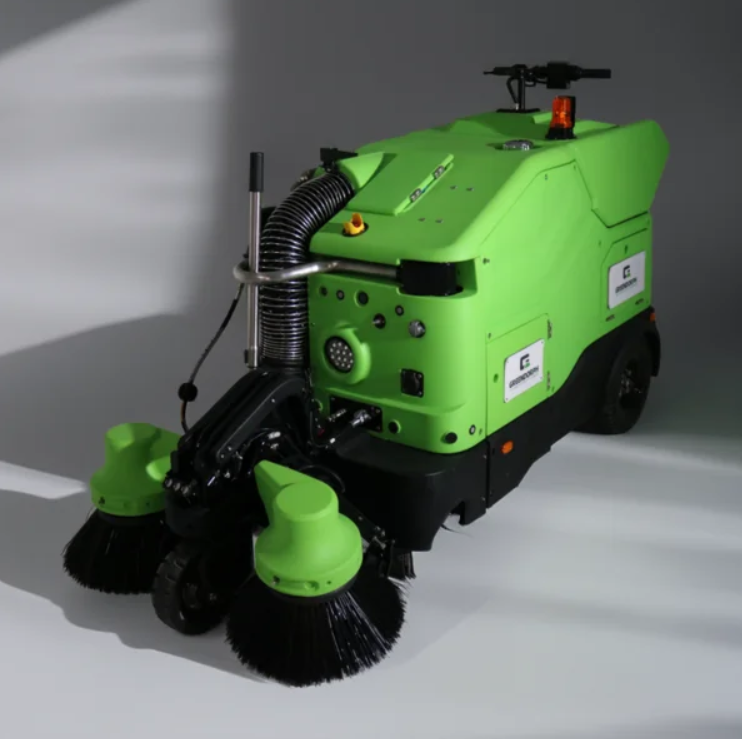
Deploying a flexible ride on street sweeper allows municipal teams to transition smoothly between open roadways and confined pedestrian walkways. Multi-mode control options give cleaning crews flexibility when navigating tight corners, parking bays, and narrow alleyways.
An example of this equipment design is the Omniclean Urban Street Sweeper YJ80. The YJ80 is a professional machine built for diverse urban cleaning demands. It provides three operator-friendly operating modes: manual ride-on, auto-follow, and towed traction.
These three control modes give work crews practical flexibility across complex working zones. Operators can drive the machine directly on open roads or switch to alternate modes in tight pedestrian areas. Matching the operating mode to the space reduces worker fatigue significantly.
Strategic Advantages of Mechanical Dust Control
Investing in mechanized dust control yields measurable long-term productivity improvements for commercial operations. Utilizing a ride on sweeper lowers labor hours compared to traditional manual sweeping crews. Work teams finish floor cleaning tasks faster while maintaining uniform cleanliness across the facility.
Equipment reliability remains essential for keeping maintenance operational costs predictable. A well-constructed ride on street sweeper minimizes unexpected breakdowns caused by heavy daily workloads. Easy access to main service points allows technicians to complete routine filter checks quickly.
Consistently clean outdoor spaces enhance corporate reputation among visitors, clients, and local regulators. Removing surface dust stops unsightly tracking into office interiors and protects painted ground markings from premature fading. Organized waste collection creates an orderly commercial environment.
Controlling dust helps companies comply with local environmental standards regarding outdoor particulate emissions. Containing dust at the surface prevents dirty runoff from entering municipal storm drains during rainstorms. Proactive ground care supports responsible site management practices over time.
Effective Strategies for Long-Term Ground Care
Maintaining dust-free surfaces across wide properties requires appropriate equipment choices and structured cleaning routines. Mechanized vacuum sweepers deliver consistent dust suppression without demanding excessive manual labor. Engineering teams at Greendorph construct machines tailored to these demanding commercial cleaning requirements.
Selecting proper sweeping machinery depends on property size, layout complexity, and debris types. Combining active vacuum suction with versatile driving configurations creates a dependable framework for facility maintenance. Modern operations benefit directly from organized, dust-free floor care solutions.
