Pulp and paper mills involve complex production processes that can expose workers to combustible gases, toxic substances, and oxygen-deficient atmospheres. Areas such as digesters, chemical storage facilities, wastewater treatment systems, and underground channels require particular attention because hazardous gases may accumulate without obvious warning signs. Portable monitoring helps maintenance teams inspect changing working conditions, investigate potential leaks, and perform confined-space assessments.
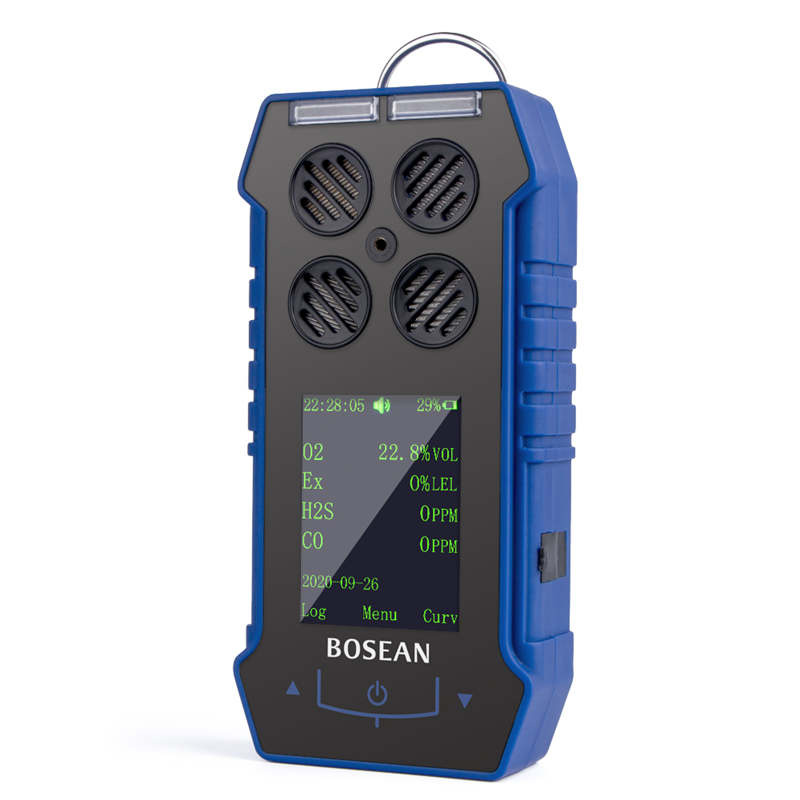
Selecting suitable equipment requires matching sensor configurations to site hazards, evaluating alarms and environmental protection, and establishing regular maintenance procedures. Bosean’s BH-4S four-in-one detector provides an option for industrial teams seeking compact equipment for simultaneous monitoring of four gases.
Why Gas Detection Is Important in Pulp and Paper Mills
Pulp and paper manufacturing involves mechanical processing, chemical treatment, bleaching, drying, and wastewater management. Each stage may introduce different atmospheric hazards.
Hydrogen sulfide can occur in kraft pulping operations, particularly around recovery systems, wastewater facilities, and areas handling sulfur-containing compounds. Carbon monoxide may be associated with combustion equipment and boiler operations. Oxygen deficiency can develop in poorly ventilated tanks, pits, and enclosed processing areas.
Combustible gases may also accumulate around fuel systems and certain industrial processes. These hazards make a portable gas detector an important tool for workers conducting inspections, equipment maintenance, and confined-space preparation.
Common Areas Requiring Portable Gas Monitoring
- Pulping and Chemical Processing Areas
Chemical pulping operations involve substances and reactions that may generate hazardous gases. Workers performing maintenance around digesters, chemical recovery equipment, and associated pipelines should understand the potential for toxic gas exposure.
Hydrogen sulfide is particularly important in kraft pulp production. Depending on the process and chemical inventory, other monitoring requirements may also apply. Equipment selection should therefore begin with a site-specific assessment rather than assuming that every production area presents identical risks.
- Wastewater Treatment Facilities
Wastewater treatment areas can generate gases through the decomposition of organic materials. Hydrogen sulfide and methane are two relevant examples.
Hydrogen sulfide presents a serious inhalation hazard, while methane creates potential fire and explosion risks under suitable conditions. Workers inspecting wastewater tanks, collection pits, and underground channels may require atmospheric testing before entry.
- Boiler Rooms and Energy Systems
Boilers and other energy-generating equipment require attention to combustion-related hazards. Carbon monoxide can result from incomplete combustion, while fuel leakage may introduce combustible gas risks.
Portable monitoring supports maintenance inspections and helps personnel investigate abnormal conditions. However, equipment must have appropriate sensors and measurement ranges for the specific fuel and hazards involved.
- Storage Tanks and Confined Spaces
Storage tanks, process vessels, and underground channels may have restricted ventilation. Oxygen levels can decrease, while toxic or combustible gases may accumulate.
A portable gas detector helps trained workers assess atmospheric conditions before entry and monitor changes during maintenance. Testing should cover different levels of the space because gas distribution depends on density, temperature, and ventilation.
How to Select Portable Gas Detection Equipment
Match Sensors to Identified Hazards
The most important purchasing consideration is sensor configuration. Common monitoring targets in pulp and paper facilities include oxygen, combustible gases, carbon monoxide, and hydrogen sulfide.
A four-gas configuration can address these four categories when the selected sensors are appropriate. However, some facilities may require additional sensors for other substances. Buyers should examine chemical inventories, safety data sheets, process documentation, and previous exposure assessments before selecting portable gas detection equipment.
Evaluate Display and Alarm Functions
Workers often operate in noisy, humid, and visually demanding industrial environments. Clear displays and multiple alarm methods can improve their ability to recognize hazardous conditions.
Color displays make readings easier to distinguish, while audible, visual, and vibration alerts provide additional warning channels. Compact dimensions and straightforward controls are also valuable for maintenance personnel who move between different production areas.
Consider Durability and Maintenance
Pulp and paper mills may expose instruments to dust, moisture, chemical residues, and accidental impacts. Equipment housing should be suitable for these environmental conditions.
Purchasing teams should also review battery performance, sensor replacement requirements, calibration procedures, and technical support. Regular bump testing and calibration are essential for verifying that sensors respond correctly and measurements remain reliable.
Bosean BH-4S: Four-Gas Monitoring for Industrial Applications
The Bosean BH-4S is a portable four-in-one multi-gas detector designed to monitor four gases simultaneously. Its intended applications include environments requiring explosion-protected equipment and locations where toxic gas leakage may occur, including underground channels and mining operations.
The instrument features a CSTN color LCD that provides clear readings and visual information. Its compact design makes it convenient for workers who need to carry monitoring equipment during inspections and maintenance activities.
The housing combines high-strength engineering plastics with composite anti-slip rubber. Its construction is designed to provide resistance to water, dust, and impact, supporting use in demanding industrial environments.
For pulp and paper facilities, the BH-4S may be considered for monitoring oxygen, combustible gases, carbon monoxide, and hydrogen sulfide when the corresponding sensor configuration is available. Buyers should confirm the exact sensor specifications, detection ranges, alarm settings, ingress protection, and explosion-proof certifications before purchasing.
As with any four-gas instrument, its suitability depends on the actual hazards present. Additional detection equipment may be necessary where other toxic substances require monitoring.
Integrating Portable Monitoring into Mill Safety Procedures
Detection equipment should operate within a broader occupational safety program. Before confined-space entry, trained personnel should conduct atmospheric testing using an appropriate sampling method.
Where necessary, ventilation should be established and the atmosphere retested before work begins. Continuous monitoring may be required when conditions can change during maintenance activities.
Facilities should also establish clear alarm response procedures, communication arrangements, and emergency rescue plans. Workers need training in instrument operation, sensor limitations, calibration requirements, and evacuation procedures.
Strengthening Gas Safety Across Pulp and Paper Operations
Gas monitoring supports safer operations throughout pulp and paper production, from chemical processing and wastewater treatment to boiler maintenance and confined-space work. Effective equipment selection depends on identifying actual atmospheric hazards, matching sensors to those risks, and maintaining instruments through regular testing and calibration.
Suitable portable gas detection equipment helps maintenance teams assess changing conditions and respond to potential exposure risks. Bosean‘s BH-4S offers a compact four-gas monitoring option with a color display and durable housing. By combining appropriate equipment with documented inspection procedures and worker training, pulp and paper manufacturers can strengthen their approach to industrial gas safety.
