Cardiovascular wellness depends on many interconnected factors, including healthy circulation, vascular function, balanced nutrition, regular physical activity, and appropriate medical care. Traditional Chinese medicine has also developed a long history of using botanical ingredients in formulations associated with circulation and overall wellness. Among these herbs, Red Sage Root has attracted considerable interest because of its traditional applications and continuing scientific research.
Known as Danshen in traditional Chinese medicine, Salvia miltiorrhiza is valued primarily for its root. Modern research has examined its diverse chemical constituents and their potential relationships with cardiovascular pathways. This combination of traditional use and contemporary investigation makes Danshen an important botanical for practitioners and professional supplement buyers to understand.
What Is Danshen?
Danshen is derived from the root of Salvia miltiorrhiza, a perennial plant belonging to the mint family. It has been used in traditional Chinese medicine for centuries, particularly in herbal approaches associated with circulation and cardiovascular wellness.
Danshen should be distinguished from culinary sage and other plants within the Salvia genus. Accurate botanical identification is important because different species can have different chemical compositions and traditional applications.
Scientific reviews have identified numerous compounds in Danshen, with tanshinones and salvianolic acids among the groups receiving substantial research attention. These compounds have been investigated in relation to oxidative stress, inflammation, vascular activity, and other biological processes.
Why Is Danshen Studied for Cardiovascular Health?
The cardiovascular interest in Danshen is closely connected to its phytochemical profile. Tanshinones are primarily lipid-soluble compounds, while salvianolic acids and related phenolic compounds are largely water-soluble. Researchers have investigated both groups for their potential biological activities.
Preclinical research has explored how Danshen constituents may interact with pathways associated with oxidative stress, inflammation, endothelial function, vascular activity, and cardiovascular regulation. These findings help explain the continued scientific interest in the herb.
However, research findings should be interpreted carefully. Different studies may use different extracts, concentrations, formulations, or administration methods. Results associated with one preparation should not automatically be applied to every Danshen product.
Danshen and Healthy Circulation
Healthy circulation requires coordinated function between the heart, blood vessels, and vascular endothelium. Endothelial function is particularly important because the endothelium helps regulate vascular tone and other processes involved in maintaining healthy blood vessels.
Research into Danshen has examined several pathways related to vascular function. Certain compounds found in the herb have demonstrated biological activities in laboratory and preclinical studies that may be relevant to vascular health.
This research provides an interesting foundation for understanding why Danshen has remained important in traditional herbal practice. At the same time, promising laboratory findings should not be presented as proof that Danshen can prevent or treat cardiovascular disease.
Key Compounds in Danshen
One of the most notable characteristics of Danshen is its broad range of naturally occurring compounds. Tanshinone I, tanshinone IIA, cryptotanshinone, and related compounds have received extensive scientific attention.
Salvianolic acids represent another important group. Researchers have investigated these water-soluble compounds for antioxidant, anti-inflammatory, vascular, and other biological activities.
The combination of different compounds contributes to the complexity of Danshen as a botanical ingredient. It also highlights why the characteristics of the finished product matter. Plant source, processing, extraction method, formulation, and storage can all influence the chemical profile of an herbal preparation.
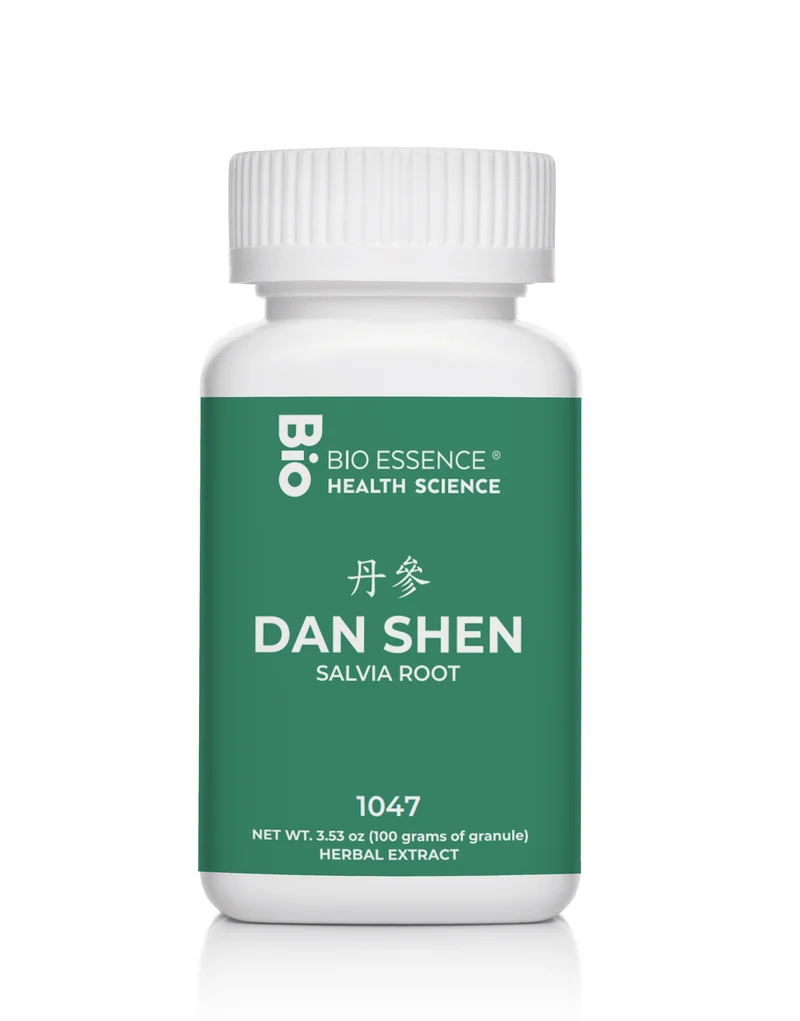
Danshen from Bio Essence Health Science
Bio Essence Health Science offers a Danshen product based on Salvia miltiorrhiza. The current product page identifies the product as Danshen and places it within the company’s supplement portfolio. The page also provides a drug safety notice recommending use under the guidance of a doctor or pharmacist.
The current product page does not publish a detailed dosage, extraction ratio, or standardized amount of individual Danshen compounds. Such specifications should therefore not be assumed based on information from other products. This distinction is especially important for professional buyers who need product-specific information when evaluating herbal ingredients.
Why Manufacturing Quality Matters
The quality of a botanical product involves more than simply identifying the correct herb. Raw material selection, processing, formulation, manufacturing controls, and quality procedures can all influence the consistency of the finished product.
Bio Essence Health Science has supplied pharmaceutical-grade TCM herbs and supplements to practitioners for more than 20 years. The company combines modern technology with traditional practices and states that ingredients are carefully selected and formulas are developed by experienced practitioners.
The company also states that its TCM granule herbs are concentrated and sterilized, with granule products processed and extracted at a 5:1 concentration ratio and manufactured at a certified GMP pharmaceutical facility. This information specifically describes the company’s TCM granule herbs and should not automatically be applied to the Danshen product unless the individual product page confirms it.
What Should Buyers Look For?
When evaluating a red sage root product, botanical identity should be one of the first considerations. A professional product should clearly identify Salvia miltiorrhiza so that buyers can distinguish Danshen from other Salvia species.
Product form and labeling are also important. Whole-root materials, powders, extracts, granules, and concentrated preparations are not necessarily interchangeable. Their chemical profiles may differ according to processing and extraction methods.
Buyers should therefore review the actual specifications supplied for the individual product. Information about ingredient identity, product form, manufacturing practices, and quality control can provide a more reliable basis for sourcing decisions than general claims about the herb.
Safety and Professional Guidance
Natural ingredients are not automatically suitable for everyone. Danshen may interact with certain medications, including anticoagulants, and may affect how some medicines are processed in the body. People taking prescription medication, particularly those receiving cardiovascular care, should consult a qualified healthcare professional before using Danshen products.
The Danshen product page also recommends use under the guidance of a doctor or pharmacist. For TCM practitioners, discussing medication use, individual circumstances, and product-specific safety information is an important part of responsible herbal product guidance.
Choosing a Danshen Product for Professional Use
Danshen has a long history in traditional Chinese medicine, and its chemical constituents continue to attract scientific interest. However, research findings vary according to the compounds studied and the preparations used, so general research on Salvia miltiorrhiza should not be treated as confirmation of the effects or specifications of every commercial product.
For professional buyers, the priority is to verify botanical identity, product form, ingredient specifications, and available quality documentation. Bio Essence Health Science offers Danshen within its herbal supplement portfolio, providing an option for buyers exploring traditional botanical products. Those who require additional details about formulation, processing, or quality control should request the relevant product-specific information before making a purchasing decision.
By focusing on verified specifications and appropriate professional guidance, practitioners and buyers can evaluate Danshen more effectively without relying on broad health claims or assumptions about product composition.
